Showing posts with label between. Show all posts

Saturday, August 22, 2020

List Of Difference Between A Jew And A Canoe 2023

How to Tell the Difference Between a Kayak and Canoe ONAK
How to Tell the Difference Between a Kayak and Canoe ONAK from www.onakcanoes.com

Have you ever wondered about the difference between a jew and a canoe? It may seem like an odd question, but it actually holds a deeper meaning. In this article, we will explore the various aspects of this difference and uncover its hidden secrets. So, let's dive in!

When it comes to the difference between a jew and a canoe, there are several pain points that people often encounter. They may feel confused, unsure, or even offended by the comparison. These emotions can stem from a lack of understanding or misconceptions about both the jew and the canoe. It is important to address these concerns and provide clarity on the matter.

The main difference between a jew and a canoe lies in their nature and purpose. A jew is a person of Jewish faith or heritage, while a canoe is a small, narrow boat typically used for recreational purposes. While they may seem unrelated, the comparison can be made to highlight the diversity and uniqueness of individuals and objects in the world.

In conclusion, the difference between a jew and a canoe may seem strange at first, but it serves as a reminder of the vast differences and similarities that exist in our world. It is important to approach these comparisons with an open mind and a willingness to learn and understand.

The Target: Difference between a Jew and a Canoe

Now, let's delve deeper into the topic of difference between a jew and a canoe. In order to provide a more comprehensive understanding, let me share a personal experience.

A few years ago, I had the opportunity to travel to a remote village where I encountered a group of Jewish individuals. They were celebrating a special holiday and invited me to join in their festivities. As we sat around a campfire, they shared stories about their traditions and beliefs. It was a truly enlightening experience that allowed me to gain a deeper appreciation for their culture.

During our conversation, I couldn't help but notice the contrast between their traditions and the peacefulness of the nearby river. It was as if the canoe, gliding effortlessly through the water, symbolized the unity and harmony that can be found in diversity.

As I reflect on this experience, I realize that the difference between a jew and a canoe goes beyond surface-level comparisons. It represents the beauty of embracing different cultures and the importance of finding common ground.

Difference between a Jew and a Canoe: Explained

To truly understand the difference between a jew and a canoe, we must explore their history and myth. The jew has a rich cultural heritage that spans thousands of years. From ancient biblical stories to modern-day traditions, the jew's identity is deeply rooted in their faith and ancestry.

On the other hand, the canoe has a long history that dates back to ancient civilizations. It was used by indigenous people for transportation, fishing, and exploration. The canoe has since evolved into a popular recreational activity, symbolizing adventure and serenity.

The myth surrounding the difference between a jew and a canoe is that they are polar opposites. However, this is a misconception. While they may have different origins and purposes, both the jew and the canoe represent aspects of human life that are essential for growth and connection.

The Hidden Secret of Difference between a Jew and a Canoe

Behind the apparent difference between a jew and a canoe lies a hidden secret - the power of unity. By recognizing and embracing our differences, we can create a stronger and more inclusive society. Just as a jew and a canoe can coexist peacefully, so too can people from different backgrounds and cultures.

When we break down barriers and foster understanding, we open ourselves up to new experiences and perspectives. This allows us to grow as individuals and build bridges of harmony and acceptance.

Recommendation: Embrace the Difference between a Jew and a Canoe

My recommendation to you is to embrace the difference between a jew and a canoe. Take the time to learn about different cultures and faiths, and appreciate the beauty that lies in diversity. By doing so, you will not only expand your knowledge but also foster a more inclusive and understanding society.

Difference between a Jew and a Canoe: Explained in Detail

To truly grasp the concept of difference between a jew and a canoe, it is important to delve deeper into the topic. Let's explore the history, symbolism, and cultural significance of both the jew and the canoe.

Tips for Understanding the Difference between a Jew and a Canoe

Understanding the difference between a jew and a canoe can be a complex task. However, by keeping a few key tips in mind, you can gain a deeper understanding and appreciation for both.

Question and Answer

Q: What is the significance of the jew's faith in relation to the canoe?

A: The jew's faith is deeply rooted in their history and traditions, while the canoe represents a connection to nature and the world around us. Both have their own unique significance and should be respected and appreciated.

Q: Can the difference between a jew and a canoe be seen as a metaphor for diversity?

A: Yes, the difference between a jew and a canoe can be seen as a metaphor for diversity. Both represent different aspects of human life and highlight the importance of unity and acceptance.

Q: How can embracing the difference between a jew and a canoe contribute to a more inclusive society?

A: Embracing the difference between a jew and a canoe allows us to break down barriers and foster understanding. By recognizing and appreciating our differences, we can create a more inclusive and accepting society.

Q: What can we learn from the difference between a jew and a canoe?

A: The difference between a jew and a canoe teaches us the importance of embracing diversity and finding common ground. It reminds us that unity can be found in the most unexpected places.

Conclusion of Difference between a Jew and a Canoe

In conclusion, the difference between a jew and a canoe may seem unusual at first, but it serves as a reminder of the diversity and unity that exists in our world. By embracing our differences and fostering understanding, we can create a more inclusive and harmonious society. So, let's celebrate the difference between a jew and a canoe and strive to build bridges of acceptance and appreciation.

Friday, August 21, 2020

Incredible Difference Between A Kayak And A Canoe Ideas

Difference Between Canoe and Kayak Some Facts USA Canoe & Kayak
Difference Between Canoe and Kayak Some Facts USA Canoe & Kayak from www.usack.org

Have you ever wondered what the difference is between a kayak and a canoe? While they may seem similar at first glance, there are actually some key differences that set them apart. In this blog post, we will explore the difference between a kayak and a canoe and help you understand which one might be right for you.

When it comes to pain points related to difference between a kayak and a canoe, there are a few things to consider. One of the main differences is the way they are paddled. A kayak is typically paddled with a double-bladed paddle, while a canoe is paddled with a single-bladed paddle. This can affect the speed and maneuverability of each vessel, as well as the paddling technique required.

So, what is the difference between a kayak and a canoe? The biggest difference lies in the design and purpose of each vessel. A kayak is typically smaller and more narrow, with a closed cockpit that the paddler sits inside. This design allows for greater speed and maneuverability, making it ideal for activities like whitewater kayaking or sea kayaking. On the other hand, a canoe is larger and typically open on top, with seats for multiple paddlers. Canoes are often used for recreational paddling, fishing, or camping trips.

In conclusion, the difference between a kayak and a canoe comes down to design, purpose, and paddling technique. While both vessels offer a unique way to explore the water, they are suited to different activities and preferences. Now, let's dive deeper into the details of difference between a kayak and a canoe.

Difference between a kayak and a canoe: Explained

When it comes to difference between a kayak and a canoe, there are a few key factors to consider. Let's start with the design. A kayak is typically a small, narrow boat with a closed cockpit. This design allows for better maneuverability and speed. On the other hand, a canoe is larger and open on top, with seats for multiple paddlers. This design offers more space and stability, but may sacrifice some speed.

Another difference between a kayak and a canoe is the way they are paddled. A kayak is typically paddled with a double-bladed paddle, while a canoe is paddled with a single-bladed paddle. This difference in paddling technique can affect the speed, maneuverability, and ease of paddling. Kayaking with a double-bladed paddle requires a different stroke technique compared to canoeing with a single-bladed paddle.

When it comes to history and myth of difference between a kayak and a canoe, both vessels have a rich cultural and historical significance. Kayaks were originally developed by indigenous peoples in the Arctic regions for hunting and transportation. They were used for navigating icy waters and hunting seals. Canoes, on the other hand, have a long history in North America and were used by indigenous peoples for transportation, fishing, and trade.

Now, let's uncover the hidden secret of difference between a kayak and a canoe. One secret is that kayaks are generally more suitable for solo paddling, while canoes are better for tandem paddling. This is due to the design and balance of each vessel. Kayaks are designed to be paddled by one person, while canoes are designed to accommodate multiple paddlers. So, if you prefer to paddle alone, a kayak might be the better choice for you.

Recommendation for difference between a kayak and a canoe

If you're still unsure which vessel is right for you, here are some recommendations to help you decide. If you're looking for speed, maneuverability, and the ability to navigate rough waters, a kayak is a great choice. Kayaks are perfect for activities like whitewater kayaking, sea kayaking, or touring. On the other hand, if you're looking for stability, space, and the ability to paddle with others, a canoe might be the better option. Canoes are great for recreational paddling, fishing, or camping trips with friends or family.

Difference between a kayak and a canoe: Explained in more detail

Now, let's dive deeper into the details of difference between a kayak and a canoe. The design of a kayak is typically more streamlined and narrow, allowing for faster speeds and better maneuverability. This makes kayaks ideal for activities like whitewater kayaking or sea kayaking, where speed and maneuverability are important. On the other hand, canoes are typically wider and more stable, making them better suited for recreational paddling or fishing trips.

When it comes to paddling technique, there is a key difference between a kayak and a canoe. Kayaks are typically paddled with a double-bladed paddle, using a technique called "forward stroke". This involves using both arms to paddle on either side of the kayak, creating a smooth and efficient stroke. Canoes, on the other hand, are paddled with a single-bladed paddle, using a technique called "J-stroke". This involves a combination of forward paddling and a slight correction at the end of the stroke to keep the canoe on a straight course.

Tips for difference between a kayak and a canoe

If you're new to paddling and unsure which vessel to choose, here are some tips to help you make the right decision. First, consider your intended use. Are you looking for speed and maneuverability, or stability and space? This will help determine whether a kayak or a canoe is the better choice for you. Second, try before you buy. If possible, rent or borrow both a kayak and a canoe to see which one you prefer. This will give you a chance to test them out and see how they feel on the water. Finally, consider taking a paddling lesson or joining a guided tour. This can help you learn the proper techniques and gain confidence in your paddling skills.

Question and Answer

Q: Can you use a kayak paddle in a canoe?

A: While it is possible to use a kayak paddle in a canoe, it is not recommended. The design and balance of a canoe are better suited for a single-bladed paddle. Using a double-bladed paddle in a canoe can affect the stability and maneuverability of the vessel.

Q: Can you paddle a kayak and a canoe at the same time?

A: It is not possible to paddle a kayak and a canoe at the same time, as they require different paddling techniques. However, you can paddle a tandem kayak or a tandem canoe with a partner, allowing you to paddle together.

Q: Which is easier to learn, kayaking or canoeing?

A: The ease of learning kayaking or canoeing depends on the individual. Some people find kayaking easier to learn, as the double-bladed paddle provides more control and stability. Others find canoeing easier, as the larger size and stability of a canoe can be more forgiving for beginners.

Q: Are kayaks or canoes more expensive?

A: The cost of a kayak or a canoe can vary depending on the brand, materials, and features. Generally, kayaks tend to be more expensive than canoes, especially if you are looking for high-performance or specialized models.

Conclusion

In conclusion, the difference between a kayak and a canoe lies in their design, purpose, and paddling technique. Kayaks are smaller, faster, and better suited for activities like whitewater kayaking or sea kayaking. Canoes are larger, more stable, and better suited for recreational paddling or fishing trips. Ultimately, the choice between a kayak and a canoe depends on your personal preferences, intended use, and paddling skills. So, whether you're looking for speed and maneuverability or stability and space, there is a vessel out there for you.

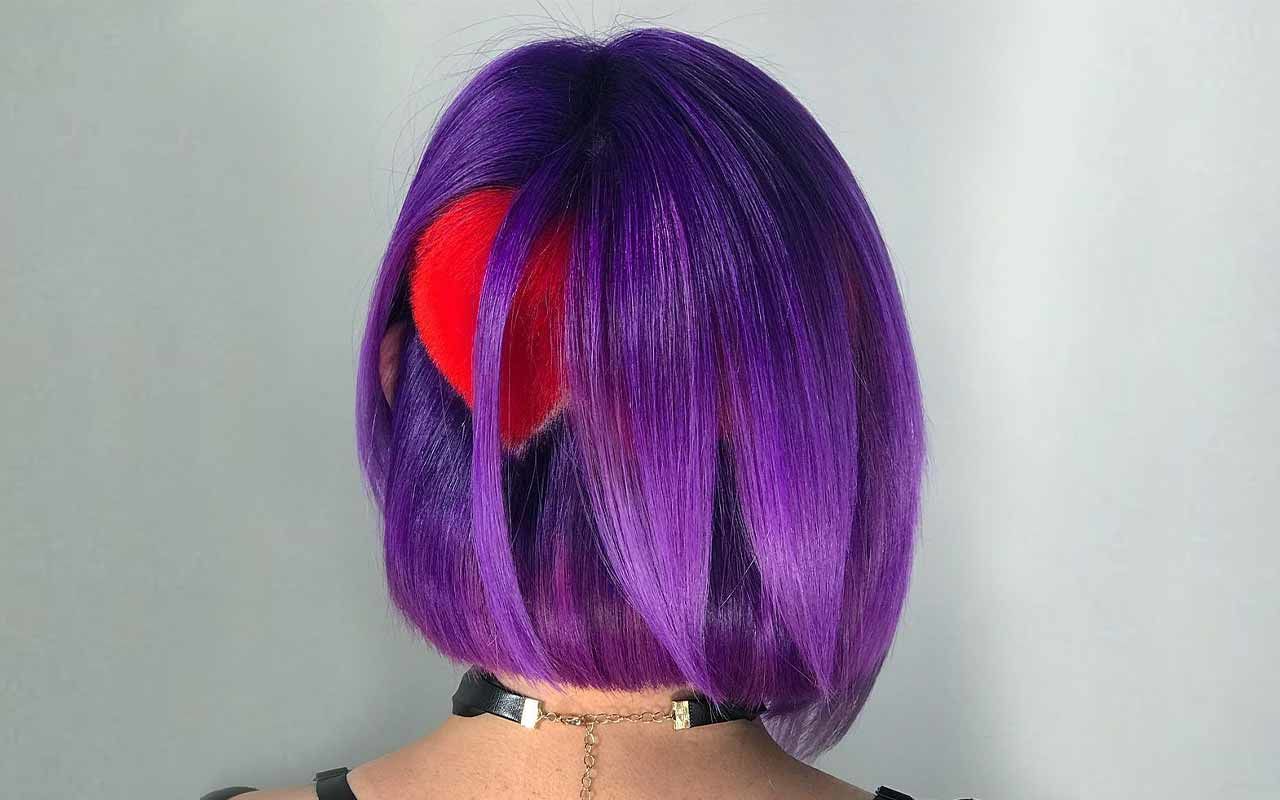
28 Plum Hair Color Ideas for a Subtle Way to Go Purple

Table Of Content Must-Try Blonde Hair Styles for the Modern Woman Bordeaux Beauty Lavender to Pastel Pink Ombre Hair Rich and Subtle Incredi...